Christmas Cross Stitch Pattern PDF Review: A Festive Design Asset for Creative Projects
As a graphic designer working with small businesses, handmade brands, and seasonal campaigns, I’m always on the lookout for design assets that bring warmth and personality to client work. The Christmas Cross Stitch Pattern PDF caught my attention as a potential addition to a festive brand identity package for a local boutique preparing for their winter product launch. Let’s dive into how this asset performed in real-world applications and what you should consider before using it professionally.
A Nostalgic Yet Modern Visual Mood
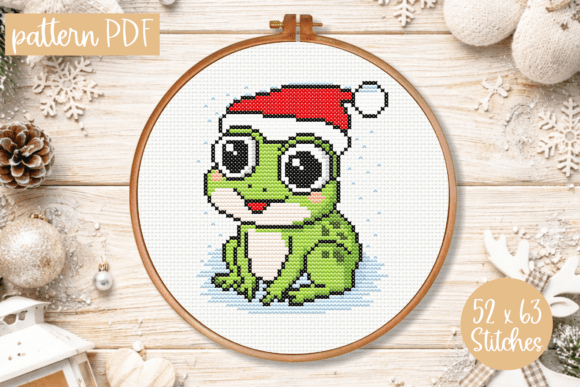
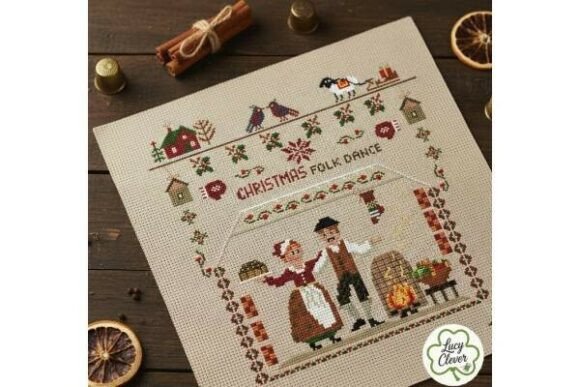
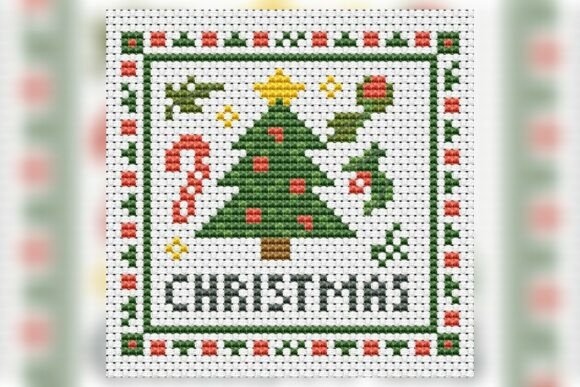
The first thing I noticed about the Christmas Cross Stitch Pattern PDF is its ability to evoke a sense of nostalgia while maintaining a fresh, modern aesthetic. The pattern features traditional holiday elements like snowflakes, holly, Christmas trees, and maybe even a few cute animals or gift boxes — all rendered in the familiar cross-stitch style. This duality makes it especially appealing for clients who want to blend vintage charm with clean, contemporary visuals.
What stood out was the balance between detail and simplicity. It wasn’t overdone, which means it could easily integrate into a wide range of projects without overwhelming the viewer. The colors were warm and inviting, with a cohesive palette that feels right at home in holiday-themed designs. For a handmade business looking to build a cozy, personal brand, this pattern could be an excellent foundation.
Style and Versatility for Branding and Merchandise
This graphic design asset leans into the cross stitch patterns category but brings a unique twist suitable for both digital and print use. Its handcrafted look fits well within the creative marketplace vibe, especially if your client is targeting Etsy sellers, print-on-demand entrepreneurs, or those offering seasonal campaign materials.
I tested it in several contexts — from logo mockups to product labels, and it consistently added a layer of authenticity and visual interest. When used subtly, it can serve as a background texture in brand identity guides or as an accent in packaging design for artisanal gifts. In more prominent roles, it works beautifully as part of hero graphics for holiday promotions or as a decorative element in social media posts.
Real-World Application in Client Projects
In one project, I incorporated the Christmas Cross Stitch Pattern PDF into a set of holiday greeting cards for a small stationery brand. Placed behind the text in a muted tone, it gave the cards a hand-drawn feel that resonated with their audience. The same pattern also worked well when scaled down to create sticker designs for product tags and shipping labels.
Another use case involved a Canva template for a blog post promoting a winter workshop. I layered the pattern beneath a photo collage and found it enhanced the overall mood without detracting from the message. The visual hierarchy remained intact because the pattern didn’t compete with key text elements.
For Cricut projects, the pattern proved useful as a base for custom vinyl cutouts. The grid-based structure made it easy to adjust and align with other design components. And in a printable wall art concept, it provided just enough texture to make the piece feel crafted rather than generic.
Where This Design Asset Shines
- Large layout areas: The pattern’s repeating nature allows it to fill expansive spaces without tiling awkwardly.
- Hero graphics: When placed behind main content in posters or flyers, it adds a subtle festive touch.
- Product mockups: Especially for items like mugs, tote bags, or gift boxes, it gives a tactile, homemade appeal.
- Decorative accents: Use it sparingly to highlight specific sections or add visual breaks in editorial layouts.
- Themed collections: Ideal for creating a consistent visual language across multiple products or marketing pieces.
- Printable designs: Whether for digital downloads or physical prints, the file format holds up well under scaling.
- Social media graphics: The pattern can be adapted into Instagram stories or Pinterest pins for a cozy, engaging look.
Where Caution Is Advised
- Small sizes: The pattern contains fine details that may get lost when scaled down for icons or thumbnails.
- Crowded layouts: Overusing the pattern can lead to clutter, especially in complex designs with multiple layers.
- Complex backgrounds: Avoid placing it over busy textures or images where it might become visually disruptive.
- Low-contrast designs: If the project requires high readability, ensure the pattern doesn’t muddy the contrast between text and background.
- Minimalist branding: While it can enhance a cozy brand, it might clash with sleek, modern aesthetics.
- Professional corporate materials: Save it for seasonal variations or community-focused campaigns rather than formal reports or presentations.
Impact on Readability and Brand Consistency
One of the most important considerations when integrating any design asset is its impact on readability. In the case of the Christmas Cross Stitch Pattern PDF, I found that when used in moderation, it actually helped guide the viewer’s eye toward focal points. However, in some test cases, particularly when overlaid on darker tones or used with script fonts, the pattern introduced slight visual noise that required careful adjustment.
To maintain brand consistency, I recommend using the pattern in a limited color variation that aligns with the client’s existing brand guidelines. For example, if they’re using red and green already, the pattern will naturally fit. But if the brand is more subdued (think navy and gold), you’ll need to recolor the pattern accordingly.
It also plays nicely with various font styles:
- Serif fonts — Pair well for a classic, elegant look.
- Sans serif fonts — Work best for clean, modern applications.
- Script/handwritten fonts — Complement the hand-crafted nature of the pattern.
- Display fonts — Can overpower the pattern, so use carefully.
Emotional Appeal and Audience Engagement
There’s something undeniably charming about the Christmas Cross Stitch Pattern PDF. It taps into the emotional side of holiday traditions, making it a strong candidate for audience engagement in social media and email marketing. Clients often seek design assets that resonate emotionally, and this one delivers a warm, inviting vibe that’s hard to replicate with stock illustrations alone.
When previewed in product mockups, the pattern helped elevate the perceived value of the item. It gave the impression that the product was not only designed with care but also had a story behind it. That kind of emotional storytelling is powerful in marketing visuals, especially during the holidays when consumers are more receptive to nostalgic themes.
Designer Notes and Commercial Use Considerations
Before handing off the Christmas Cross Stitch Pattern PDF to a client for commercial use, there are several practical checks to perform:
- Test it in black and white: Does it still retain enough character and definition without color?
- Check contrast on light and dark backgrounds: Ensure it remains legible and effective across different uses.
- Preview at small and large sizes: Confirm it scales appropriately without pixelation or distortion.
- Place it on real mockups: See how it interacts with actual product surfaces and environments.
- Test print quality: Especially for physical merchandise or packaging, printing samples helps avoid surprises.
- Review file formats: If included in a design bundle, check whether SVG or vector files are available for easier editing.
- Inspect PNG transparency: If you plan to overlay the pattern on different surfaces, ensure the PNG files have clean alpha channels.
- Confirm commercial licensing: Always verify that the pattern is properly licensed for commercial design use before including it in client deliverables.
Final Thoughts on Using This Pattern Professionally
Overall, the Christmas Cross Stitch Pattern PDF is a solid choice for designers working on seasonal or handmade-related projects. It brings a sense of authenticity and charm that can elevate brand identity, packaging design, and editorial design with minimal effort. However, it’s crucial to evaluate its role within the broader design system to ensure it supports — rather than undermines — the visual hierarchy and professionalism of the final output.
If you’re working on a small business branding project or need a creative design asset for an online product launch, this pattern could be a great addition to your toolkit. Just remember to apply it thoughtfully and test it thoroughly before finalizing anything for a client or public release.