Stained Glass Christmas Trees Outdoor Review for Real Projects
As an experienced embroidery designer and product reviewer, I often find myself evaluating machine embroidery designs not just for their visual appeal, but for how well they translate into real-world applications. When I first opened the digital embroidery file for Stained Glass Christmas Trees Outdoor, I was immediately drawn to its intricate detail and seasonal charm. This design brings a fresh holiday vibe with a classic stained-glass aesthetic that feels both nostalgic and modern. Let’s dive into how it performs in practice and where it truly shines.
First Impressions: Mood and Visual Personality
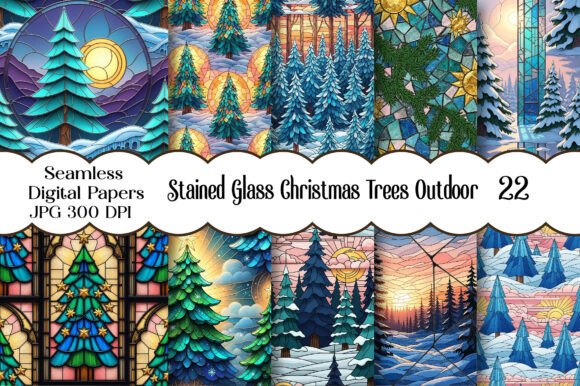
The Stained Glass Christmas Trees Outdoor pattern evokes a cozy, festive mood. The trees are stylized with sharp angles and color-blocked sections, mimicking the look of traditional stained glass windows. Each tree is framed with a delicate border, adding structure without overwhelming the piece. The layout suggests balance and harmony, making it feel intentional and refined.
I appreciate the level of detail in the design — each panel has enough character to stand out but remains cohesive as a whole. It doesn’t scream “holiday” in a garish way; instead, it whispers elegance through its clean lines and thoughtful composition. This makes it a great fit for handmade products that aim to blend style with subtlety.
Theme and Use Cases
With its winter theme and artistic flair, this design naturally belongs on custom apparel, tote bags, pillow covers, or even embroidered patches for boutique branding. Its structured look could also work beautifully on tea towels or aprons for a home décor project. For craft business owners and Etsy sellers, it offers a versatile base for creating personalized gifts or commercial items during the holiday season.
Real-Life Embroidery Performance
When considering how this design will perform in actual stitching, several factors stand out. First, the use of multiple thread colors gives it depth and dimension, which is especially effective when stitched onto light-colored fabrics like cotton or linen. The contrast between the glass-like segments enhances the overall visual impact, making it ideal for sweatshirt embroidery or tote bag design where you want something eye-catching yet tasteful.
On custom apparel, such as a baby onesie or a women’s sweatshirt, the design reads clearly at a moderate size. However, I would caution against shrinking it too much unless you’re willing to lose some of the finer details. The stitch count per section isn’t specified, so it’s important to test the stitch density on scrap fabric before finalizing your placement.
For handmade product creators, the design can be used in combination with other motifs. I’ve seen it paired with snowflakes or small holly accents in printable mockups, and it always adds a layer of sophistication. If you're working on nursery decor or holiday gifts, this design elevates the project while maintaining a soft, welcoming feel.
Where It Excels
- Custom Tote Bags: The design looks stunning on large-format totes, especially those made from quilting cotton or canvas. The bold geometry stands out and feels like a statement piece.
- Pillow Covers: With its decorative nature, it works well as a central motif or corner accent on decorative pillows. The layered stitch types (like fill stitch and running stitch) give it a tactile richness that's perfect for interior textiles.
- Embroidered Patches: As a patch design, it holds up well when resized and adapted for caps, jackets, or denim projects. The outline and fill work together to maintain clarity and prevent fraying.
Where to Use It Carefully
While the machine embroidery design is visually appealing, there are situations where it might require more attention to detail. Here are a few scenarios where I’d suggest testing it thoroughly before committing:
- Small Hoop Sizes: Due to the amount of detail, reducing the design too much can lead to overcrowded stitches and potential distortion. Always confirm the minimum hoop size required by checking the embroidery file specifications.
- Textured Fabrics: Stitches may sit unevenly on flannel or felt, affecting the overall finish. A smooth fabric like cotton or polyester blends tends to show off the design best.
- Thin or Stretchy Fabrics: Delicate materials may struggle under dense stitching. Similarly, stretchy knits can cause misalignment if not stabilized properly.
- Dark Fabric Backgrounds: While the design has strong color blocks, it loses some of its vibrancy on darker fabrics. Consider using lighter shades to let the thread colors pop.
- Products That Require Frequent Washing: High-density areas may pucker over time if the right stabilizer isn’t used. This is especially relevant for apparel decorators who know durability matters.
Design Details and Stitching Challenges
One thing I noticed is the presence of detailed corners and fine outlines — these can be tricky when working with tight curves or small hoop sizes. I recommend inspecting the design closely before starting any production run. Also, since the design uses a variety of stitch types, including satiny borders and fill stitch panels, it’s important to ensure your machine handles them smoothly. Some machines may require minor adjustments for consistent tension across all sections.
Customer Reactions and Marketability
From a marketability standpoint, Stained Glass Christmas Trees Outdoor has broad appeal. It’s sophisticated enough for boutique-style items and warm enough for family-friendly gifts. Customers tend to gravitate toward designs that tell a story, and this one does just that — it conjures images of winter evenings and cozy homes.
If you're an embroidery designer or digital product seller, using this in your design assets can boost buyer engagement. It’s a design that feels premium and professional, which helps build customer trust. When added to printable mockups, it looks polished and ready to sell, making it a good option for commercial embroidery projects.
Handmade Presentation and Brand Consistency
This design contributes significantly to the perceived value of a finished product. Whether it's a personalized gift or a branded item for your small shop product line, the stained glass motif adds a touch of artisan quality. It aligns well with brands that focus on craftsmanship and nostalgia, and can be part of a cohesive seasonal collection.
For creative entrepreneurs aiming to maintain brand consistency, consider how this design complements your existing motifs. Does it match your usual style? Will it resonate with your target audience? These are questions every seasoned embroiderer asks before integrating a new embroidery project into their portfolio.
Designer Tips for Using Stained Glass Christmas Trees Outdoor
Here are my top recommendations for getting the most out of this design:
- Test on Scrap Fabric: Always do a trial run before stitching on client or retail items. This helps identify issues with stitch flow or color blending.
- Check Thread Color Contrast: Ensure the thread colors complement your chosen fabric. Sometimes, what looks good on screen doesn’t translate well in real life.
- Review Stitch Density: Pay attention to areas with heavy stitching to avoid puckering or pulling, especially on stretchy or thin materials.
- Confirm Hoop Size: Don’t assume your machine can handle it in a smaller hoop than recommended. Check the design specs carefully.
- Inspect Small Details: The fine edges and internal divisions need a stable foundation to hold their shape. Use tear-away or cut-away stabilizer as needed.
- Use Black and White Mockups: Before purchasing thread, visualize the design in grayscale to assess contrast and readability.
- Compare Light and Dark Fabrics: See how the design behaves on different backgrounds. This can help you choose the right fabric for maximum visibility.
- Choose the Right Stabilizer: Especially for applique design elements, proper backing ensures crisp edges and longevity.
- Check Licensing Terms: If you plan to sell finished items or offer digital embroidery files to others, make sure you have the appropriate rights. Licensing is key for legal compliance in commercial embroidery settings.
Giftability and Recognition
As a holiday-themed design, Stained Glass Christmas Trees Outdoor has high giftability. It’s recognizable enough to evoke seasonal joy without being overly kitschy. When placed on a blanket or pillow cover, it becomes a subtle yet meaningful addition to a gift set. Customers will notice the care put into the design, which increases satisfaction and repeat purchases.
Final Thoughts for the Practical Designer
Overall, Stained Glass Christmas Trees Outdoor is a strong contender for holiday collections, particularly for craft business owners and handmade shop owners looking to add a unique touch to their offerings. It balances complexity and clarity well, but requires careful handling in certain contexts. The design supports both personal and commercial embroidery use, though I always advise confirming licensing terms before selling the finished product.
It’s not just about the design itself — it’s about how it fits into your creative process and business model. When used thoughtfully, it can become a signature element of your seasonal range, enhancing product value and strengthening your brand identity. Just remember to adapt it to your specific tools and materials, and you’ll see why it’s worth the investment.